Eco-Friendly Building Techniques for Luxury Homes
- Nirmal Raja judo
- May 19
- 4 min read

Building a luxury home doesn't have to come at the expense of the environment. In fact, the trend toward eco-friendly building techniques is gaining momentum among homeowners who want to combine elegance with sustainability. This blog post explores various eco-friendly building techniques that can elevate luxury homes while minimizing their ecological footprint.
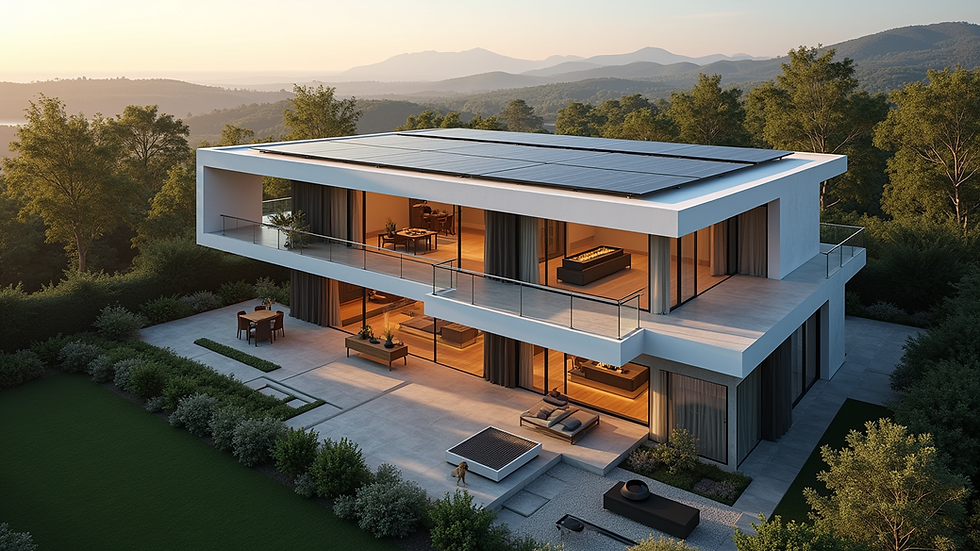
Understanding Eco-Friendly Building
Eco-friendly building, also known as sustainable building, refers to the practice of designing and constructing buildings that are environmentally responsible and resource-efficient throughout their life cycle. This includes everything from site selection and design to construction, operation, maintenance, and eventual demolition.
Benefits of Eco-Friendly Building
Reduced Environmental Impact: Sustainable building practices help minimize waste and pollution.
Energy Efficiency: Eco-friendly homes often utilize renewable energy sources, reducing reliance on fossil fuels.
Healthier Living Spaces: Sustainable materials and designs can improve indoor air quality and overall well-being.
Long-Term Savings: While initial costs may be higher, energy-efficient homes can lead to significant savings on utility bills over time.
Sustainable Materials for Luxury Homes
Choosing the right materials is crucial in eco-friendly building. Here are some sustainable materials that can enhance the luxury of your home:
Reclaimed Wood
Reclaimed wood is sourced from old buildings, barns, and other structures. It adds character and warmth to luxury homes while reducing the demand for new lumber.
Example: A luxury home might feature reclaimed wood beams in its ceiling or reclaimed hardwood floors, giving it a rustic yet elegant feel.
Bamboo
Bamboo is a fast-growing plant that can be harvested sustainably. It is strong, durable, and can be used for flooring, cabinetry, and even structural elements.
Example: Bamboo flooring can provide a sleek, modern look while being environmentally friendly.
Recycled Metal
Using recycled metal for roofing or siding can add a contemporary touch to luxury homes. It is durable, energy-efficient, and can be sourced from old buildings or manufacturing processes.
Example: A luxury home with a recycled metal roof can achieve a striking aesthetic while promoting sustainability.
Energy-Efficient Design Techniques
Incorporating energy-efficient design techniques is essential for creating a luxury home that is also eco-friendly.
Passive Solar Design
Passive solar design utilizes the sun's energy for heating and cooling. This can be achieved through strategic placement of windows, thermal mass, and insulation.
Example: A luxury home designed with large south-facing windows can maximize sunlight during winter, reducing heating costs.
Green Roofs
Green roofs involve planting vegetation on rooftops, which can provide insulation, reduce stormwater runoff, and improve air quality.
Example: A luxury home with a green roof can create a stunning outdoor space while contributing to environmental sustainability.
Smart Home Technology
Integrating smart home technology can enhance energy efficiency. Smart thermostats, lighting systems, and energy monitoring devices can help homeowners manage their energy consumption effectively.
Example: A luxury home equipped with a smart energy management system can optimize energy use based on occupancy and preferences.
Water Conservation Techniques
Water conservation is another critical aspect of eco-friendly building. Here are some techniques to consider:
Rainwater Harvesting
Collecting rainwater for irrigation and non-potable uses can significantly reduce water consumption.
Example: A luxury home with a rainwater harvesting system can maintain its lush landscaping without relying solely on municipal water.
Low-Flow Fixtures
Installing low-flow faucets, showerheads, and toilets can reduce water usage without sacrificing performance.
Example: A luxury bathroom featuring low-flow fixtures can provide a spa-like experience while conserving water.
Greywater Recycling
Greywater recycling systems can reuse water from sinks, showers, and washing machines for irrigation or toilet flushing.
Example: A luxury home with a greywater system can maintain its gardens sustainably while reducing overall water consumption.
Renewable Energy Sources
Incorporating renewable energy sources is a vital step toward making luxury homes more sustainable.
Solar Energy
Solar panels can be installed on rooftops or integrated into building designs to harness the sun's energy for electricity and heating.
Example: A luxury home with solar panels can significantly reduce its carbon footprint while enjoying lower energy bills.
Wind Energy
For homes in suitable locations, small wind turbines can provide a renewable energy source.
Example: A luxury estate situated on a hill may benefit from wind energy, complementing its solar power system.
Geothermal Heating and Cooling
Geothermal systems use the earth's constant temperature to heat and cool homes efficiently.
Example: A luxury home with a geothermal system can maintain comfortable indoor temperatures year-round while minimizing energy use.
Landscaping for Sustainability
Landscaping plays a crucial role in the overall sustainability of a luxury home. Here are some eco-friendly landscaping techniques:
Native Plants
Using native plants in landscaping can reduce water usage and support local ecosystems.
Example: A luxury home landscaped with native plants can thrive with minimal irrigation and attract local wildlife.
Xeriscaping
Xeriscaping involves designing landscapes that require little to no irrigation, using drought-resistant plants and efficient irrigation systems.
Example: A luxury home with a xeriscaped garden can maintain its beauty while conserving water.
Permeable Paving
Permeable paving allows rainwater to infiltrate the ground, reducing runoff and promoting groundwater recharge.
Example: A luxury driveway made of permeable pavers can enhance the home's aesthetic while supporting sustainable water management.
Conclusion
Building a luxury home with eco-friendly techniques is not only possible but also increasingly popular among discerning homeowners. By incorporating sustainable materials, energy-efficient designs, water conservation methods, renewable energy sources, and eco-friendly landscaping, you can create a stunning residence that respects the environment.
As you embark on your luxury home journey, consider these eco-friendly building techniques to ensure your dream home is both elegant and sustainable. The future of luxury living is green, and the choices you make today can lead to a more sustainable tomorrow.
Comments