Building Luxury Homes: Sustainable Materials for Modern Living
- Nirmal Raja judo
- May 19
- 4 min read

In today's world, the demand for luxury homes is evolving. Homebuyers are not just looking for opulence; they are increasingly prioritizing sustainability. The modern luxury home is now defined by its eco-friendly features and the use of sustainable materials. This shift is not merely a trend; it reflects a growing awareness of environmental issues and a desire for responsible living. In this blog post, we will explore various sustainable materials that are transforming the luxury home market, offering both aesthetic appeal and environmental benefits.
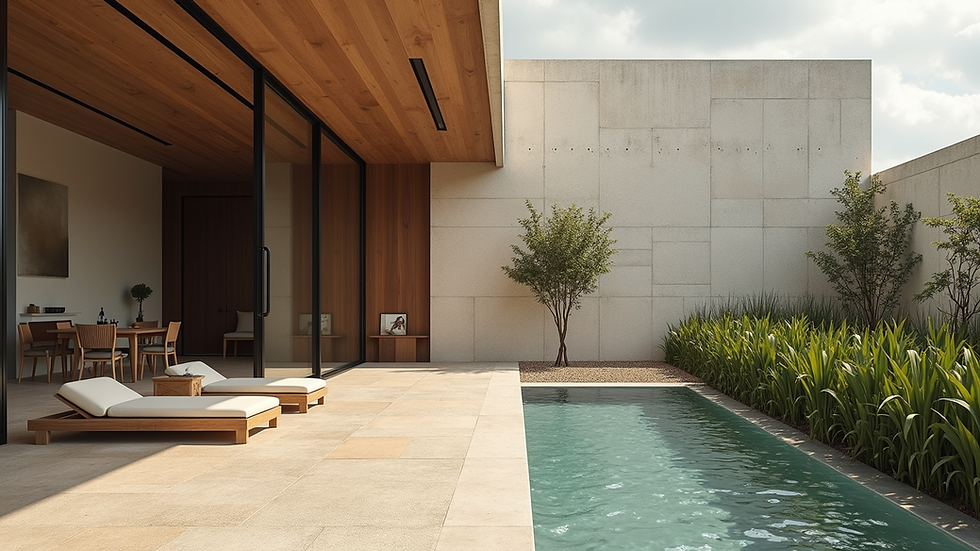
Understanding Sustainable Materials
Sustainable materials are those that are sourced, produced, and utilized in ways that minimize environmental impact. They are often renewable, recyclable, or biodegradable. The use of these materials in luxury homes not only contributes to a healthier planet but also enhances the overall quality of life for residents. Here are some key characteristics of sustainable materials:
Renewability: Materials that can be replenished naturally, such as bamboo or reclaimed wood.
Energy Efficiency: Products that reduce energy consumption, like high-performance insulation or energy-efficient windows.
Low Emissions: Materials that emit fewer volatile organic compounds (VOCs) and other pollutants.
Durability: Long-lasting materials that reduce the need for frequent replacements.
Popular Sustainable Materials for Luxury Homes
1. Bamboo
Bamboo is one of the fastest-growing plants on Earth, making it an excellent renewable resource. It is not only strong and durable but also lightweight, making it ideal for various applications in luxury homes, including flooring, cabinetry, and furniture.
Benefits of Bamboo:
Grows rapidly, often reaching maturity in just three to five years.
Requires minimal pesticides and fertilizers.
Offers a unique aesthetic with its natural grain patterns.
2. Reclaimed Wood
Reclaimed wood is salvaged from old buildings, barns, and other structures. This material adds character and history to luxury homes while reducing the demand for new lumber.
Benefits of Reclaimed Wood:
Reduces deforestation and waste.
Provides a unique look with rich textures and colors.
Often comes with a lower carbon footprint compared to new wood.
3. Recycled Metal
Recycled metals, such as aluminum and steel, are increasingly used in luxury home construction. They can be used for roofing, siding, and structural elements.
Benefits of Recycled Metal:
Highly durable and resistant to weathering.
Can be recycled indefinitely without losing quality.
Reduces the need for mining new metals, which is energy-intensive.
4. Natural Stone
Natural stone, such as granite, marble, and slate, is a timeless choice for luxury homes. When sourced responsibly, it can be a sustainable option.
Benefits of Natural Stone:
Long-lasting and requires minimal maintenance.
Provides excellent insulation properties.
Adds a luxurious aesthetic to interiors and exteriors.
5. Straw Bale
Straw bale construction is gaining popularity in luxury homes for its excellent insulation properties. Straw bales are used as building blocks, providing a natural and eco-friendly alternative to traditional materials.
Benefits of Straw Bale:
Highly insulating, reducing energy costs.
Made from agricultural byproducts, promoting waste reduction.
Can be finished with natural plasters for a unique look.
The Role of Technology in Sustainable Luxury Homes
Advancements in technology are playing a crucial role in the integration of sustainable materials in luxury homes. Smart home technology, for instance, allows homeowners to monitor and manage energy consumption effectively. Here are some technological innovations that support sustainable living:
Smart Home Systems
These systems enable homeowners to control lighting, heating, and cooling remotely. By optimizing energy use, they contribute to lower utility bills and reduced carbon footprints.
Energy-Efficient Appliances
Modern appliances are designed to consume less energy while providing the same level of performance. Look for ENERGY STAR-rated products when outfitting a luxury home.
Solar Panels
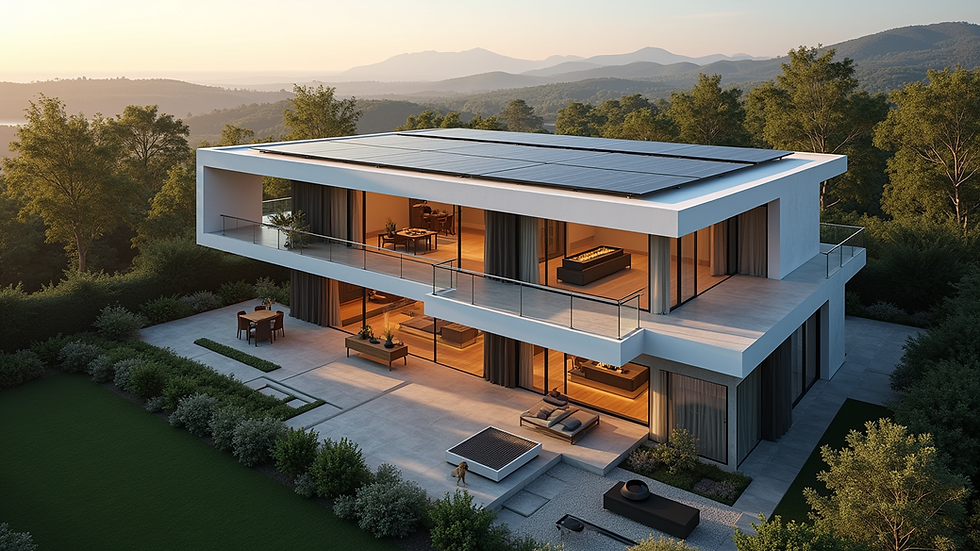
Solar energy systems are becoming more common in luxury homes. They provide a renewable energy source that can significantly reduce reliance on fossil fuels.
Designing with Sustainability in Mind
When building a luxury home, it's essential to consider not just the materials but also the overall design. Sustainable design principles can enhance both the functionality and aesthetics of a home. Here are some key considerations:
Orientation and Layout
The orientation of a home can maximize natural light and reduce energy consumption. For example, large windows facing south can harness sunlight for passive heating.
Landscaping
Sustainable landscaping practices, such as xeriscaping or using native plants, can reduce water usage and maintenance needs. Incorporating green roofs or living walls can also improve insulation and air quality.
Water Efficiency
Installing low-flow fixtures and rainwater harvesting systems can significantly reduce water consumption in luxury homes. These features not only save money but also promote responsible water use.
Case Studies: Luxury Homes Embracing Sustainability
The Green House
Located in California, The Green House is a stunning example of sustainable luxury. Built with reclaimed wood and featuring solar panels, this home blends seamlessly with its natural surroundings. The design emphasizes open spaces and large windows, allowing for abundant natural light.
Eco-Friendly Retreat
This luxury retreat in the mountains showcases the use of straw bale construction and natural stone. The home is designed to blend into the landscape, with a green roof that supports local flora. Inside, the use of bamboo flooring and recycled metal accents creates a modern yet warm atmosphere.
The Future of Luxury Homes
As the demand for sustainable living continues to grow, the luxury home market will likely see even more innovative materials and designs. Homebuyers are becoming more educated about the environmental impact of their choices, leading to a shift in how luxury is defined.
Trends to Watch
Biophilic Design: Incorporating natural elements into home design to enhance well-being.
Smart Materials: Materials that adapt to environmental conditions, improving energy efficiency.
Community Living: Developments that prioritize shared resources and sustainable practices.
Conclusion
Building luxury homes with sustainable materials is not just a trend; it is a necessary evolution in the way we think about living spaces. By choosing eco-friendly materials and embracing innovative designs, homeowners can create beautiful, functional, and responsible living environments. As we move forward, the integration of sustainability into luxury living will not only benefit the planet but also enhance the quality of life for generations to come.
The journey towards a sustainable luxury home begins with informed choices. Whether you are building a new home or renovating an existing one, consider how you can incorporate sustainable materials and practices into your project. The future of luxury living is green, and it starts with you.
Comments