Craftsmanship in Construction: The Art of Dream Homes
- Nirmal Raja judo
- May 19
- 4 min read

Craftsmanship in construction is more than just a skill; it is an art form that transforms visions into tangible realities. The process of building a dream home involves meticulous attention to detail, a deep understanding of materials, and a commitment to quality. In this blog post, we will explore the various aspects of craftsmanship in construction, highlighting its significance, the techniques involved, and how it contributes to creating dream homes that stand the test of time.
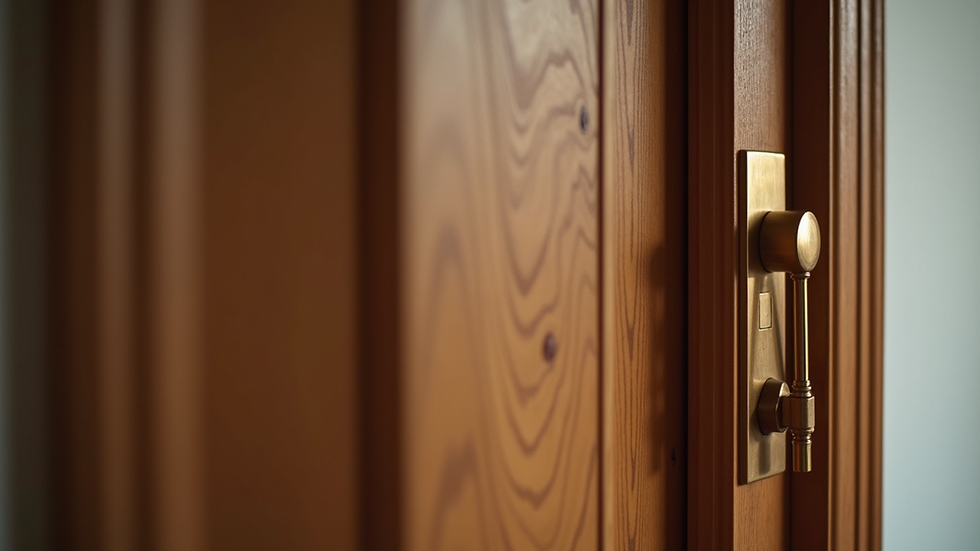
Understanding Craftsmanship in Construction
Craftsmanship in construction refers to the skill and artistry involved in building structures. It encompasses a wide range of activities, from framing and masonry to finishing and landscaping. The essence of craftsmanship lies in the ability to blend functionality with aesthetics, ensuring that every element of a home is not only practical but also visually appealing.
The Importance of Craftsmanship
Quality Assurance: High-quality craftsmanship ensures that homes are built to last. Skilled artisans pay attention to every detail, which minimizes the risk of structural issues down the line.
Aesthetic Appeal: Craftsmanship adds character and beauty to a home. Unique designs, intricate details, and high-quality finishes can elevate a house from ordinary to extraordinary.
Personalization: Craftsmanship allows homeowners to express their individuality. Custom features and tailored designs reflect the owner's personality and lifestyle.
Sustainability: Skilled craftsmen often prioritize sustainable practices, using eco-friendly materials and techniques that reduce environmental impact.
Key Elements of Craftsmanship
Materials
The choice of materials plays a crucial role in craftsmanship. High-quality materials not only enhance the durability of a home but also contribute to its overall aesthetic. Here are some commonly used materials in craftsmanship:
Wood: Known for its versatility and warmth, wood is often used in framing, flooring, and cabinetry. Different types of wood can create various looks, from rustic to modern.
Stone: Stone adds a timeless quality to homes. Whether used for walls, countertops, or landscaping, it brings a natural beauty that is hard to replicate.
Brick: Brick is a classic material that offers durability and insulation. It can be used in various architectural styles, from traditional to contemporary.
Metal: Metals like steel and aluminum are increasingly popular in modern construction. They provide strength and can be used for structural elements or decorative features.
Techniques
Craftsmanship involves a variety of techniques that enhance the quality and beauty of a home. Some of these techniques include:
Joinery: This technique involves connecting pieces of wood without the use of nails or screws. Traditional joinery methods, such as dovetail and mortise-and-tenon joints, showcase the skill of the craftsman.
Masonry: Skilled masons create beautiful stone and brickwork, ensuring that structures are not only strong but also visually appealing.
Finishing: The finishing touches, such as painting, staining, and polishing, are where craftsmanship truly shines. A well-finished surface can elevate the entire look of a room.
Landscaping: Craftsmanship extends beyond the walls of a home. Thoughtful landscaping can enhance the overall aesthetic and create a harmonious outdoor space.
The Role of Technology in Craftsmanship
While traditional craftsmanship is rooted in manual skills, technology has also made its mark on the construction industry. Modern tools and techniques can enhance the precision and efficiency of craftsmanship. For example:
3D Modeling: Architects and designers use 3D modeling software to visualize projects before construction begins. This technology allows for better planning and reduces the likelihood of errors.
CNC Machines: Computer Numerical Control (CNC) machines can cut and shape materials with incredible precision, allowing for intricate designs that would be difficult to achieve by hand.
Sustainable Practices: Technology has also paved the way for sustainable construction methods, such as energy-efficient building materials and smart home systems that enhance comfort and reduce energy consumption.
Craftsmanship in Different Architectural Styles
Craftsmanship varies across different architectural styles, each with its unique characteristics and techniques. Here are a few examples:
Traditional Architecture
Traditional architecture often emphasizes craftsmanship through the use of local materials and time-honored techniques. Features like handcrafted moldings, intricate woodwork, and stone facades are hallmarks of this style.
Modern Architecture
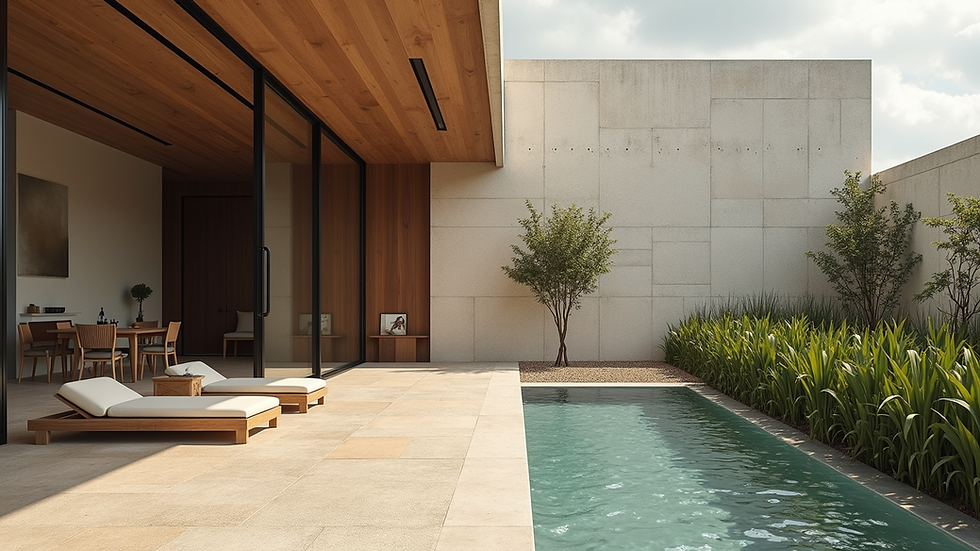
Modern architecture focuses on simplicity and functionality. Craftsmanship in this style is evident in clean lines, open spaces, and the use of innovative materials. The emphasis is on creating a seamless flow between indoor and outdoor spaces.
Rustic Architecture
Rustic architecture celebrates natural materials and a connection to the outdoors. Craftsmanship is showcased through exposed beams, stone fireplaces, and handcrafted furniture. This style often evokes a sense of warmth and comfort.
The Impact of Craftsmanship on Home Value
Investing in craftsmanship can significantly increase the value of a home. Buyers are often willing to pay a premium for homes that showcase high-quality workmanship and unique features. Here are some ways craftsmanship can enhance home value:
Curb Appeal: A well-crafted exterior can make a strong first impression, attracting potential buyers.
Durability: Homes built with quality craftsmanship are less likely to require costly repairs, making them more appealing to buyers.
Unique Features: Custom elements, such as built-in shelving or handcrafted cabinetry, can set a home apart from others on the market.
Finding Skilled Craftsmen
When building or renovating a home, finding skilled craftsmen is essential. Here are some tips for locating the right professionals:
Research: Look for local craftsmen with a strong reputation. Online reviews, testimonials, and portfolios can provide insight into their work.
Ask for Recommendations: Reach out to friends, family, or real estate agents for recommendations. Personal referrals can lead to trustworthy professionals.
Interview Candidates: Meet with potential craftsmen to discuss your project. Ask about their experience, techniques, and previous work to gauge their suitability.
Check Credentials: Ensure that the craftsmen you consider are licensed and insured. This protects you in case of any issues during the project.
Conclusion
Craftsmanship in construction is an essential aspect of creating dream homes. It combines skill, artistry, and attention to detail to produce structures that are not only functional but also beautiful. By understanding the importance of craftsmanship, the techniques involved, and the impact it has on home value, homeowners can make informed decisions when building or renovating their spaces.
Investing in quality craftsmanship is an investment in the future of your home. Whether you are building from the ground up or making renovations, prioritize skilled artisans who can bring your vision to life. Remember, a well-crafted home is not just a place to live; it is a reflection of your dreams and aspirations.

Comments